When you have a baby, especially your first baby, you really need access to good information. Learning to feed your baby, obsessing over how many dirty diapers a day there are, figuring out which cry means what... we all go through it, and when we need help we have our moms, friends, books, the Internet, and a myriad of other resources. But the one thing we come fully equipped with is expectation. We know what babies look like. We have likely held a few, maybe helped out by babysitting, and we have certainly seen them everywhere.
What about when your baby is born with Down syndrome? Suddenly you realize you don’t know much about it and maybe you can’t even remember ever seeing a baby like yours. You might experience fearfulness and your previously held expectations may no longer apply. What you need is to see other babies, children, teens, adults... people with Down syndrome so that you can know right away that there is nothing to fear about your new love.
The International Down Syndrome Coalition has created a video, a compilation of awesomeness that I wish every new mom could see. Get ready for dancing, swimming, four-wheeling, rockin’ out, and a whole lotta beautiful...
Oh and all that other stuff that's good to know? Click around. It's here somewhere :-)
Thursday, March 28, 2013

Monday, February 11, 2013
Runny Nose Blues
It is that time of year when our little ones are exposed to germs in record numbers, resulting in what I have come to call the runny nose blues (or is it the runny nose greens...eeew). It seems like all winter long we are wiping noses and whipping out the booger snoofer in an attempt to keep baby’s face clean and her nasal airways open.
It doesn't have to be this way. A while back I wrote about Five Great Goops, and today I will add a sixth one... elderberry syrup.
Medicinal use of elderberry dates back to the Greek physician, Hippocrates (and probably back even further) with the good doctor referring to it as his “medicine chest”. Modern studies have shown that he was correct. Elderberries are loaded with flavonoids which boost the immune system and the Elderberry extract, Sambucus is used to treat both bacterial and viral infections.
I had heard about Elderberry syrup from a friend when she noticed my daughter’s non-stop runny nose but being skeptical I had to see it in action to believe it. My answer to runny noses was a trip to the pediatrician, and in my daughter’s case a round of oral antibiotics was prescribed. The antibiotics did clear up her sinus infection, but a week after the treatment ended, the boogers were back. I immediately went out and bought a bottle of Nature’s Way Sambucus for Kids.
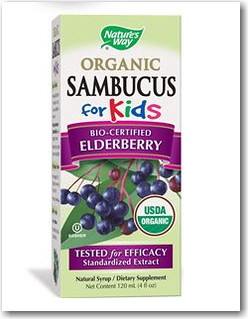
A teaspoon a day of Sambucus for a 1-6 year old wards off the common cold, sinus infections, and the like. In our case, with all of my children, it works. If I see a wet nose or I know one of my kids was exposed to a sick child, I give them the “intensive” dose for a couple days.
As with the introduction of any herbal addition to your child’s diet you should talk to your pediatrician first. Elderberry syrup can interact with some medications, and has possible laxative properties (though I haven’t noticed any.)
It doesn't have to be this way. A while back I wrote about Five Great Goops, and today I will add a sixth one... elderberry syrup.
Medicinal use of elderberry dates back to the Greek physician, Hippocrates (and probably back even further) with the good doctor referring to it as his “medicine chest”. Modern studies have shown that he was correct. Elderberries are loaded with flavonoids which boost the immune system and the Elderberry extract, Sambucus is used to treat both bacterial and viral infections.
I had heard about Elderberry syrup from a friend when she noticed my daughter’s non-stop runny nose but being skeptical I had to see it in action to believe it. My answer to runny noses was a trip to the pediatrician, and in my daughter’s case a round of oral antibiotics was prescribed. The antibiotics did clear up her sinus infection, but a week after the treatment ended, the boogers were back. I immediately went out and bought a bottle of Nature’s Way Sambucus for Kids.
A teaspoon a day of Sambucus for a 1-6 year old wards off the common cold, sinus infections, and the like. In our case, with all of my children, it works. If I see a wet nose or I know one of my kids was exposed to a sick child, I give them the “intensive” dose for a couple days.
As with the introduction of any herbal addition to your child’s diet you should talk to your pediatrician first. Elderberry syrup can interact with some medications, and has possible laxative properties (though I haven’t noticed any.)
Monday, November 19, 2012
Stage Three Toys We Love
Stage three... your baby has mastered some powerful gross motor skills like sitting, crawling or cruising and experimenting with self-feeding. He is now interested in the finer things in the toy box and is often able to use a toy as it was intended as well as in many other creative ways. So let’s go holiday shopping.
(Got a little one in an earlier stage? Check out Stage One Toys and Stage Two Toys.)
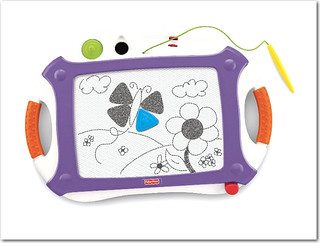
1. Classic Doodler With 2 Stampers - Classic Purple The Magna Doodle is an easy to use, mess free magnetic drawing board with a chubby stylus that is easy to grip. Your baby will enjoy her all important first scribbles and you don’t have to worry about her mouthing the “pen”. $19.95 at Amazon.
Mini Magnadoodle—Fisher-Price Travel Doodler Pro. Same great toy but in a smaller size so you can take it with you to occupy your baby in the car, the waiting room, or on vacation. $9.99 at Amazon.
Magnadoodle Table—Crayola Sit 'N Draw Travel Table. This version of the drawing board has pros and cons. It is in a mini table perfect for little ones who want to sit or kneel, or even stand while they draw. However, the slide eraser is difficult to manage and your child might require assistance from you to make it work. The stylus fits too snugly in its holder and your child will probably not be able to get it out by himself. These drawbacks have earned it bad reviews. About $35 through Amazon but only 24.99 at Bj’s Wholesale Club.
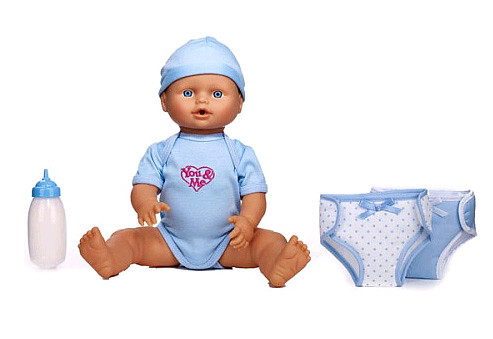
2. Baby Doll. Young children, girls and boys, are very interested in babies. Your little one is beginning pretend play and will enjoy interacting with their own baby to bottle feed and hold. Having a baby doll is a terrific way to introduce your child to new or stressful experiences like potty training or going to the doctor. You can model what will happen and encourage your child to help with the activity. Any baby doll that looks realistic will do. The baby doll pictured here is the You & Me Mommy Change my Diaper Doll - Boys available at Toys R Us for $14.99.
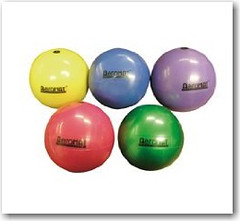
3. AeroMat Weight Ball By now your baby is ready for a weighted ball. Playing with a heavier ball will help her build muscle strength and is a great way to get in some physical therapy while having fun. After all, what better thing is there to toss at a tall tower of blocks but a weighted ball? The 2 lb version is $19.49 at Amazon.
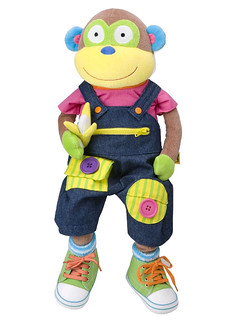
4. Alex Toys Learn to Dress Monkey By now your baby is probably cooperating while getting dressed. He is beginning to get interested in how his clothes work and the Learn to Dress Monkey is the perfect practice friend. The monkey’s clothes have different textures and offer opportunities to snap, button, and zip. As your child grows and gains more fine motor skills he can practice lots of other dressing activities as well. $29.59 at Amazon.
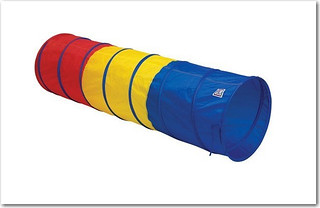
5. Pacific Play 6' Tunnel Now that your little one is on the move encourage his travels (and coordination and gross motor skills) by getting him a tunnel to crawl through. The tunnel folds up flat and is stored in a zipped bag when not in use. $29.09 at Amazon.
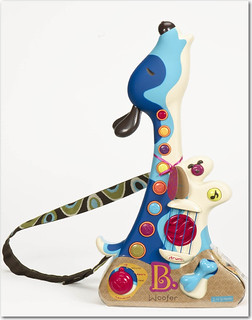
6. Battat Woofer Guitar This guitar is easy to play and has 20 songs that play in three modes (electric, acoustic, and hound dog howls). Your baby can strum the strings or push the many buttons to explore musical notes and sing along. This very entertaining toy has volume control and an automatic shut off to conserve its 3 AAA batteries that come with it. $32.78 at Amazon.
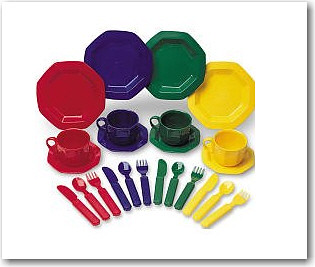
7. Learning Resources Pretend and Play Dish Set Encourage your baby’s developing pretend play with an activity that he is very familiar with, eating! Your baby will have so much fun trying to feed you, or his baby doll, or his stuffed animals with this set of dishes and eating utensils. Pair it up with a play food set such as the Melissa & Doug Birthday Party Cake
 for some truly enjoyable imaginative play. $13.42 and $13.59 at Amazon.
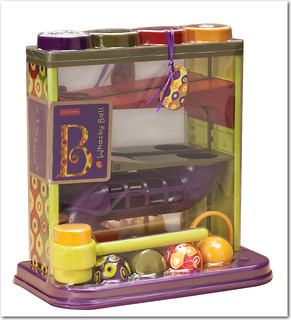
8. B. Whacky Ball Your baby will work on her motor skills while she pushes or whacks the balls down into the mirrored maze. Once they pop out into the tray, she can put them back up top and whack them again. The company (B.)that makes this toy (and the Woofer guitar above) gives 10 cents of every toy purchase to Free the Children. $25.39 at Amazon, also available at Target.
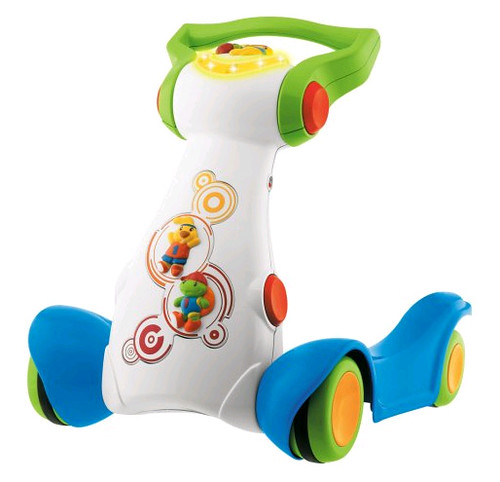
9. Chicco Baby Jogging If your baby hasn’t taken that first step yet, she will be soon and a push toy is the perfect companion to motivate her to get up and go. Not all push toys are created equal... many tip over, or go too fast but this one will not do either because of its unique design. It also has six different positions so that it can be perfectly set to your baby’s height. Depending on the speed of walking, the lights come on progressively and the rhythm of the melody speeds up or slows down, stopping altogether if your baby stops. Takes 2 AA batteries. $55.77 at Amazon.
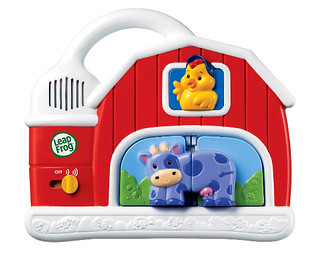
10. LeapFrog Fridge Farm Magnetic Animal Set Your baby can practice matching and placing magnetic pieces into the slots while learning the names and sounds of five farm animals. Even mismatched combinations are rewarded with a silly song. The toy has two different sound levels and takes 3 AAA which are included. $34.50 at Amazon.
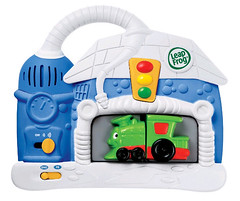
The LeapFrog Fridge Wash & Go Magnetic Vehicle Set is newer and cheaper this year, and I am guessing (hoping) the quality is the same, so if you can’t find the Fridge Farm at a good price or just prefer vehicles, this is the version for you. $24.99 at Amazon.
Your Turn
Have you started your holiday shopping? Tell us what you got for your little one, or share about a favorite toy you already have.
(Got a little one in an earlier stage? Check out Stage One Toys and Stage Two Toys.)
1. Classic Doodler With 2 Stampers - Classic Purple
The Magna Doodle is an easy to use, mess free magnetic drawing board with a chubby stylus that is easy to grip. Your baby will enjoy her all important first scribbles and you don’t have to worry about her mouthing the “pen”. $19.95 at Amazon.Mini Magnadoodle—Fisher-Price Travel Doodler Pro.
Same great toy but in a smaller size so you can take it with you to occupy your baby in the car, the waiting room, or on vacation. $9.99 at Amazon.Magnadoodle Table—Crayola Sit 'N Draw Travel Table.
This version of the drawing board has pros and cons. It is in a mini table perfect for little ones who want to sit or kneel, or even stand while they draw. However, the slide eraser is difficult to manage and your child might require assistance from you to make it work. The stylus fits too snugly in its holder and your child will probably not be able to get it out by himself. These drawbacks have earned it bad reviews. About $35 through Amazon but only 24.99 at Bj’s Wholesale Club.2. Baby Doll. Young children, girls and boys, are very interested in babies. Your little one is beginning pretend play and will enjoy interacting with their own baby to bottle feed and hold. Having a baby doll is a terrific way to introduce your child to new or stressful experiences like potty training or going to the doctor. You can model what will happen and encourage your child to help with the activity. Any baby doll that looks realistic will do. The baby doll pictured here is the You & Me Mommy Change my Diaper Doll - Boys available at Toys R Us for $14.99.
3. AeroMat Weight Ball
By now your baby is ready for a weighted ball. Playing with a heavier ball will help her build muscle strength and is a great way to get in some physical therapy while having fun. After all, what better thing is there to toss at a tall tower of blocks but a weighted ball? The 2 lb version is $19.49 at Amazon. 4. Alex Toys Learn to Dress Monkey
By now your baby is probably cooperating while getting dressed. He is beginning to get interested in how his clothes work and the Learn to Dress Monkey is the perfect practice friend. The monkey’s clothes have different textures and offer opportunities to snap, button, and zip. As your child grows and gains more fine motor skills he can practice lots of other dressing activities as well. $29.59 at Amazon. 5. Pacific Play 6' Tunnel
Now that your little one is on the move encourage his travels (and coordination and gross motor skills) by getting him a tunnel to crawl through. The tunnel folds up flat and is stored in a zipped bag when not in use. $29.09 at Amazon.6. Battat Woofer Guitar
This guitar is easy to play and has 20 songs that play in three modes (electric, acoustic, and hound dog howls). Your baby can strum the strings or push the many buttons to explore musical notes and sing along. This very entertaining toy has volume control and an automatic shut off to conserve its 3 AAA batteries that come with it. $32.78 at Amazon.7. Learning Resources Pretend and Play Dish Set
Encourage your baby’s developing pretend play with an activity that he is very familiar with, eating! Your baby will have so much fun trying to feed you, or his baby doll, or his stuffed animals with this set of dishes and eating utensils. Pair it up with a play food set such as the Melissa & Doug Birthday Party Cakefor some truly enjoyable imaginative play. $13.42 and $13.59 at Amazon. 8. B. Whacky Ball
Your baby will work on her motor skills while she pushes or whacks the balls down into the mirrored maze. Once they pop out into the tray, she can put them back up top and whack them again. The company (B.)that makes this toy (and the Woofer guitar above) gives 10 cents of every toy purchase to Free the Children. $25.39 at Amazon, also available at Target.9. Chicco Baby Jogging
If your baby hasn’t taken that first step yet, she will be soon and a push toy is the perfect companion to motivate her to get up and go. Not all push toys are created equal... many tip over, or go too fast but this one will not do either because of its unique design. It also has six different positions so that it can be perfectly set to your baby’s height. Depending on the speed of walking, the lights come on progressively and the rhythm of the melody speeds up or slows down, stopping altogether if your baby stops. Takes 2 AA batteries. $55.77 at Amazon. 10. LeapFrog Fridge Farm Magnetic Animal Set
Your baby can practice matching and placing magnetic pieces into the slots while learning the names and sounds of five farm animals. Even mismatched combinations are rewarded with a silly song. The toy has two different sound levels and takes 3 AAA which are included. $34.50 at Amazon. The LeapFrog Fridge Wash & Go Magnetic Vehicle Set
is newer and cheaper this year, and I am guessing (hoping) the quality is the same, so if you can’t find the Fridge Farm at a good price or just prefer vehicles, this is the version for you. $24.99 at Amazon. Your Turn
Have you started your holiday shopping? Tell us what you got for your little one, or share about a favorite toy you already have.
Monday, September 24, 2012
BabyLegs Giveaway Winner
Congratulations to Nancy, winner of the BabyLegs giveaway. Email me with your information so that you can get your leggings goody bag just in time for this chilly Fall weather.
Thanks to everyone who participated in the drawing... if you haven’t been out to the BabyLegs site in a while, you should go take a look at their new stuff. Oh la la, gorgeous! Here is just a sneak peek at a few of my favorites...
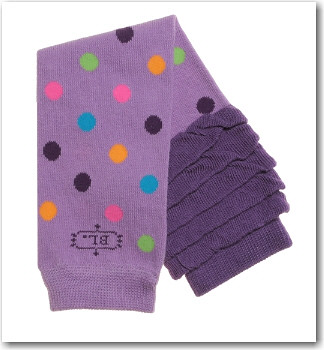
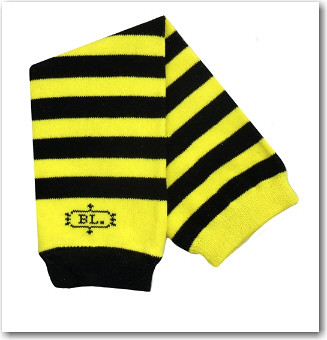
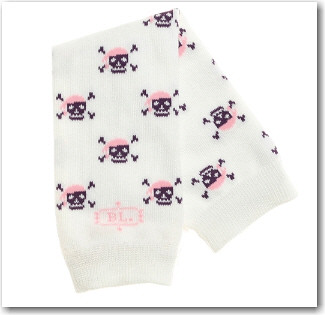
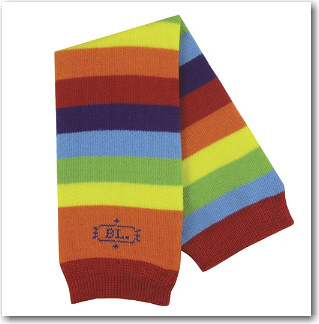
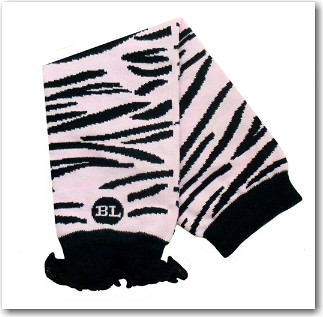
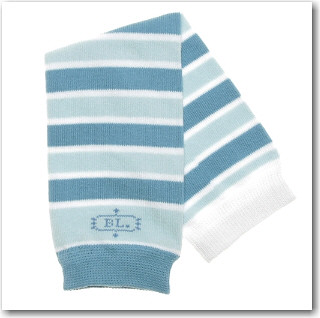
Thanks to everyone who participated in the drawing... if you haven’t been out to the BabyLegs site in a while, you should go take a look at their new stuff. Oh la la, gorgeous! Here is just a sneak peek at a few of my favorites...
Friday, July 6, 2012
BabyLegs Giveaway
A while back I posted about how some babies have difficulty regulating their body temperature, and how using leggings can help but today I am going to share another reason why I love leggings.
Some babies hate shoes, or at least it seems that way. No matter the style or fit, they will pull them off or bite at them trying to get them off. This isn’t really a big deal at home (unless you are in that “working on standing phase” and want your little one to have some practice in shoes) but in the car it can be annoying, or even dangerous if your baby has a strong throwing arm.
I have one daughter who is relentless with her shoes and one or both of them is off by the time we reach our destination. The only way to keep her shoes on her is to cover them with leggings. She will still work at getting them off but most of the time her efforts are foiled.
 (click the pic to see Kimani's leggings)
If you are tired of digging under the car seats for the missing shoe, or just want your baby to look super stylish and be protected from UV rays this summer, check out BabyLegs and grab a few pairs of sanity savers.
(click the pic to see Kimani's leggings)
If you are tired of digging under the car seats for the missing shoe, or just want your baby to look super stylish and be protected from UV rays this summer, check out BabyLegs and grab a few pairs of sanity savers.
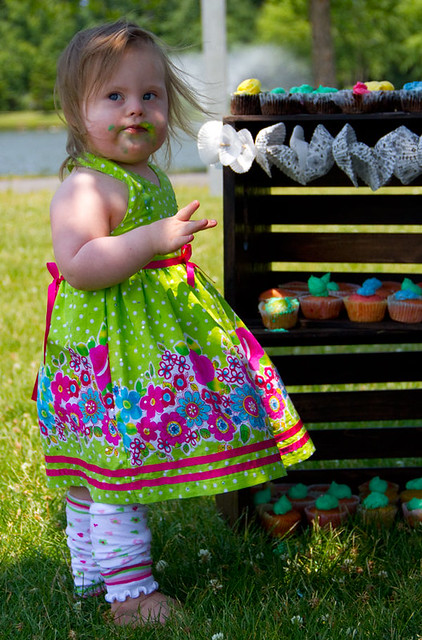 (click the pic to see Autumn's leggings)
Your Turn
BabyLegs is giving away a grab bag of leggings and other goodies worth $50 to one lucky Down Syndrome New Mama reader. To enter the drawing leave a comment here letting us know that you “liked” the BabyLegs Facebook page or that you are now following BabyLegs on Twitter by July 20, 2012.
(click the pic to see Autumn's leggings)
Your Turn
BabyLegs is giving away a grab bag of leggings and other goodies worth $50 to one lucky Down Syndrome New Mama reader. To enter the drawing leave a comment here letting us know that you “liked” the BabyLegs Facebook page or that you are now following BabyLegs on Twitter by July 20, 2012.
(click the pic to see Kimani's leggings)
If you are tired of digging under the car seats for the missing shoe, or just want your baby to look super stylish and be protected from UV rays this summer, check out BabyLegs and grab a few pairs of sanity savers.
(click the pic to see Autumn's leggings)
Your Turn
BabyLegs is giving away a grab bag of leggings and other goodies worth $50 to one lucky Down Syndrome New Mama reader. To enter the drawing leave a comment here letting us know that you “liked” the BabyLegs Facebook page or that you are now following BabyLegs on Twitter by July 20, 2012.
Wednesday, June 27, 2012
Health Insurance for Babies with Down Syndrome
Today Ryan McCostlin, a team member at Bernard Health, is going to share the Top 5 Health Insurance Tips for new parents of babies with Down syndrome.
When new moms and dads have a beautiful new baby, the questions can seem endless. What are the right foods? ...the right child care? ...do I need to buy Kidz Bop records, or is it okay if I play The Rolling Stones?
And while learning how to be a new parent can be a heck of a lot of fun, finding the right health insurance strategy... well... isn’t. . I happen to be someone who spends most of his time thinking about health insurance, and even I can admit that on the fun spectrum, shopping for health insurance can fall somewhere between tax audits and root canals.
That said, all parents spend time thinking about how to plan for expected and unexpected medical expenses. And for parents of babies with Down syndrome, there can be additional costs associated with neurological exams, cardiology exams, thyroid screening, etc. So while finding the right health insurance strategy might not be very much fun, it is important.
So, what should new parents of a baby with Down syndrome know as they begin to research health insurance options? Here are the top 5 tips:
 1. Depending on your income and your state’s rules, your child may qualify for a government subsidized health insurance program called Medicaid. The name for the program varies from state-to-state... for example, it’s called MediCal in California and TennCare in Tennessee, but each state’s program is a version of the federal Medicaid program. If your annual income is too high to qualify for Medicaid in your state, your child may qualify for another government program called CHIP. To research government subsidized options in your state, you can click here.
2. If you have group health insurance through an employer, most employers have a 30 day window from the birth of your child to add him/her to your plan as a dependent. If you choose to add your child to your employer’s health plan, make sure you share your good news with your HR representative so you can fill out the appropriate paperwork!
3. If you don’t have access to insurance through your employer and you don’t qualify for a government program, you can still get coverage for your child through an individual health insurance plan. Child-only plans aren’t available in every state, but because of healthcare reform, children cannot be denied coverage by health insurance companies as long as at least one eligible parent also applies.
4. Consider enrolling in a Health Savings Account based health insurance plan if your employer offers one... and especially if you’re enrolling in an individual plan for your family. At first glance, it may seem like a co-pay based health insurance plan is a better option, but Health Savings Account based plans often have a true annual out-of-pocket limit on spending. After you meet your deductible, your child’s healthcare is free for the rest of the year. Families with lots of healthcare expenses often find that Health Savings Account based plans can help them come out ahead
5. Health insurance can be complicated, and it’s especially important for new parents of Down syndrome babies to consider all of the available options. If you need more help, there are several resources available who can provide guidance. As you consider where to seek additional help for your family, know that there are three basic categories of advisors:
When new moms and dads have a beautiful new baby, the questions can seem endless. What are the right foods? ...the right child care? ...do I need to buy Kidz Bop records, or is it okay if I play The Rolling Stones?
And while learning how to be a new parent can be a heck of a lot of fun, finding the right health insurance strategy... well... isn’t. . I happen to be someone who spends most of his time thinking about health insurance, and even I can admit that on the fun spectrum, shopping for health insurance can fall somewhere between tax audits and root canals.
That said, all parents spend time thinking about how to plan for expected and unexpected medical expenses. And for parents of babies with Down syndrome, there can be additional costs associated with neurological exams, cardiology exams, thyroid screening, etc. So while finding the right health insurance strategy might not be very much fun, it is important.
So, what should new parents of a baby with Down syndrome know as they begin to research health insurance options? Here are the top 5 tips:
1. Depending on your income and your state’s rules, your child may qualify for a government subsidized health insurance program called Medicaid. The name for the program varies from state-to-state... for example, it’s called MediCal in California and TennCare in Tennessee, but each state’s program is a version of the federal Medicaid program. If your annual income is too high to qualify for Medicaid in your state, your child may qualify for another government program called CHIP. To research government subsidized options in your state, you can click here.2. If you have group health insurance through an employer, most employers have a 30 day window from the birth of your child to add him/her to your plan as a dependent. If you choose to add your child to your employer’s health plan, make sure you share your good news with your HR representative so you can fill out the appropriate paperwork!
3. If you don’t have access to insurance through your employer and you don’t qualify for a government program, you can still get coverage for your child through an individual health insurance plan. Child-only plans aren’t available in every state, but because of healthcare reform, children cannot be denied coverage by health insurance companies as long as at least one eligible parent also applies.
4. Consider enrolling in a Health Savings Account based health insurance plan if your employer offers one... and especially if you’re enrolling in an individual plan for your family. At first glance, it may seem like a co-pay based health insurance plan is a better option, but Health Savings Account based plans often have a true annual out-of-pocket limit on spending. After you meet your deductible, your child’s healthcare is free for the rest of the year. Families with lots of healthcare expenses often find that Health Savings Account based plans can help them come out ahead
5. Health insurance can be complicated, and it’s especially important for new parents of Down syndrome babies to consider all of the available options. If you need more help, there are several resources available who can provide guidance. As you consider where to seek additional help for your family, know that there are three basic categories of advisors:
First, each state has a State Health Insurance Program (SHIP) that can answer basic questions about health insurance eligibility. Advice from SHIP employees is free, and you can find your state’s SHIP contact information online.More about the author: Ryan joined Bernard Health in 2010 to help families save time, save money, and get peace of mind as they consider affordable health insurance options. Through a network of retail stores, Bernard’s team of licensed, non-commissioned health insurance advisors provide face-to-face advice to families across the country. He earned a BS from Vanderbilt and an MBA from Yale. Ryan can be found on LinkedIn and Twitter.
Second, you can find a health insurance salesman who may be able to help you research private health plans. Health insurance salesman don’t charge you anything up front, but they get paid when they sell you an insurance policy.
Finally, many families find it helpful to work with fee-based health insurance advisors who, for a flat fee, can help you navigate the complexities of the individual health insurance market. This option is similar to a tax advisor or CPA who helps you prepare your taxes. While the flat fees vary, health insurance advisors usually don’t work on commission, so their only incentive is to help you get the right strategy in place for your new child.
Friday, June 22, 2012
We Are Lefties
Ok maybe not all of our children are lefties, but an uncanny (and disproportionate ) amount of people with Down syndrome are either lefties or ambidextrous. While 13% of the general population is left-handed, our (non-scientific) poll showed that 41% of people with Ds are left-handed and 10% are ambidextrous.
Got a lefty? Here is a wonderful website that sells everything you can think of in a left-handed version.
And the winner is...
Stephanie from Two Times the Fun is the winner of the $25 Amazon gift certificate. Email me with the email address that you would like the certificate purchased for, and I will get it right to you. Thanks to everyone who participated in the poll.
Got a lefty? Here is a wonderful website that sells everything you can think of in a left-handed version.
And the winner is...
Stephanie from Two Times the Fun is the winner of the $25 Amazon gift certificate. Email me with the email address that you would like the certificate purchased for, and I will get it right to you. Thanks to everyone who participated in the poll.
Friday, May 25, 2012
Resorting to Bribery :-)
There are hundreds of us, even thousands of us... parents, siblings, caretakers... people who know—really know— someone with Down syndrome. Combined we have a wealth of knowledge that surpasses any book written about Down syndrome, any expert’s opinion, and all stereotypes.
The only way to harness that knowledge is to come together and share it. Does left-handedness occur more often in the population of people with Down syndrome? Only we can answer that question. I am asking you to share your expertise on your child. I did a little begging on FB and now I am going to try bribery...
Take the poll over in the left column, leave a comment saying that you did (and how you voted if you want to) and you will be entered to win a $25 Amazon gift card. If 500 people take the poll, I will up it to a $50 gift card. (If you are one of those who already voted, just leave a comment saying so and you are in.)
Thank you for participating. Every one of us matters.
The only way to harness that knowledge is to come together and share it. Does left-handedness occur more often in the population of people with Down syndrome? Only we can answer that question. I am asking you to share your expertise on your child. I did a little begging on FB and now I am going to try bribery...
Take the poll over in the left column, leave a comment saying that you did (and how you voted if you want to) and you will be entered to win a $25 Amazon gift card. If 500 people take the poll, I will up it to a $50 gift card. (If you are one of those who already voted, just leave a comment saying so and you are in.)
Thank you for participating. Every one of us matters.
Subscribe to:
Posts (Atom)


